
A Good Day for an Old Dog
Supporting a senior comes down to four small things across an ordinary day: getting up, getting out, eating well and settling down.
When a Dog Becomes a Senior
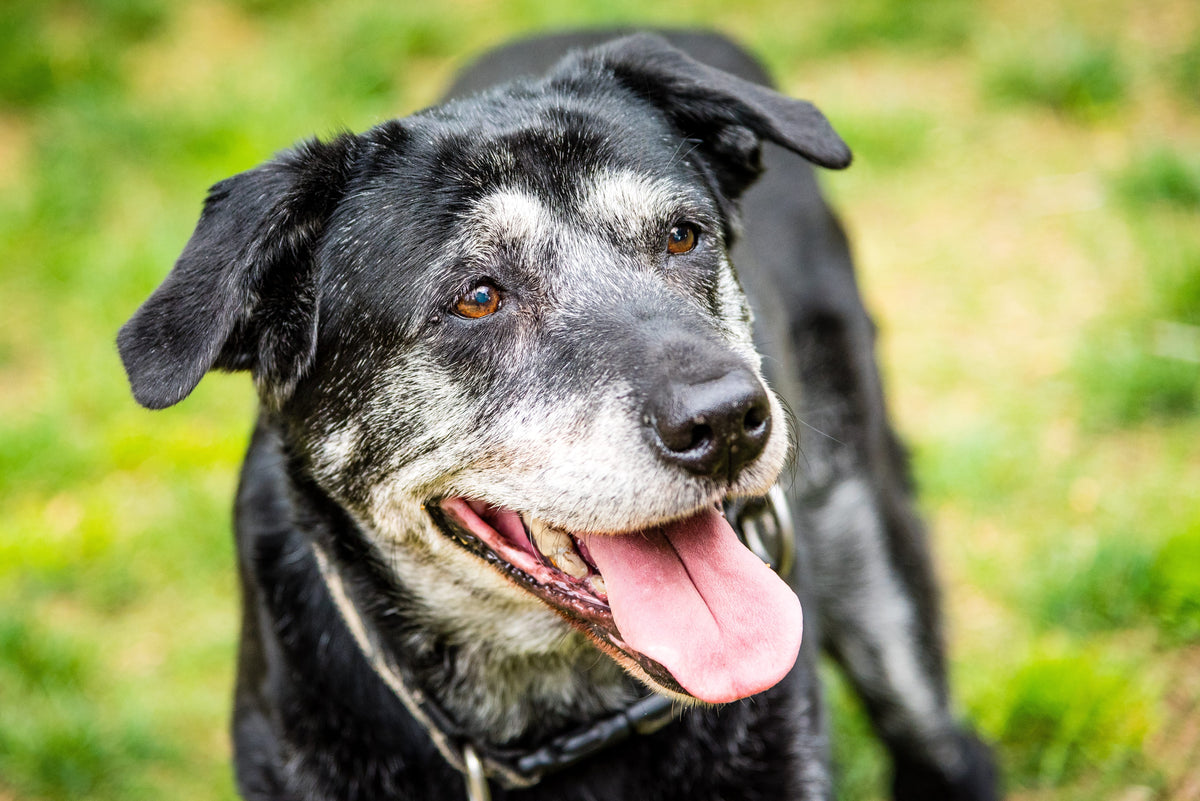
Vets go by proportion rather than birthdays: a dog is senior through roughly the last quarter of its expected life. Bigger dogs live shorter lives, so they get there sooner (although we know a lot of dogs that have defied this expectation!)
These are rough guides, not rules. Plenty of vets start senior care earlier (from about seven in small dogs, five or six in large breeds) and the dog in front of you matters more than the number. Once they are in this range your vet will usually want to see them more often than once a year; ask what makes sense for your dog.
Getting Up Takes Longer Than It Used To
The stretch before the first step is the tell. Older dogs are stiffest in the morning and after a long sleep, and that is the moment a slippery floor does the most damage to their confidence.
- Add rugs or runners on hard floors along their usual route
- Choose a thicker bed, out of the draught, with low sides
- Add Greenshell™ Mussel Powder to breakfast, every day, not just bad days
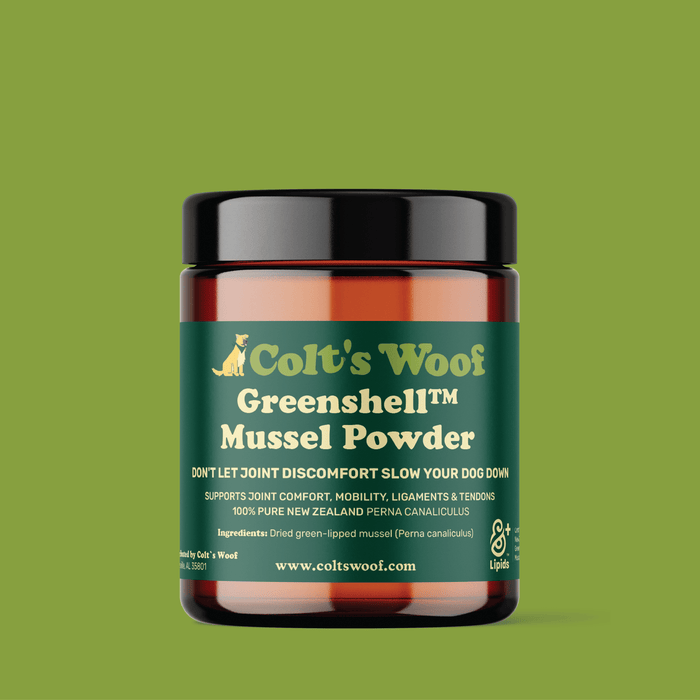
Green-lipped mussel, stirred into breakfast. Everyday joint comfort and mobility support.
$21.00–$32.00
A Shorter Walk, More Often
Two twenty-minute walks beat one long one, and daily movement matters more at this age than distance ever did. Bring soft treats: recall gets patchier as hearing fades, and you will want something worth coming back for.
- Slow down and let them sniff. It is most of what they are getting out of it now
- Harness rather than collar, and a shorter lead near roads
- Treats come out of the daily food budget, not on top of it
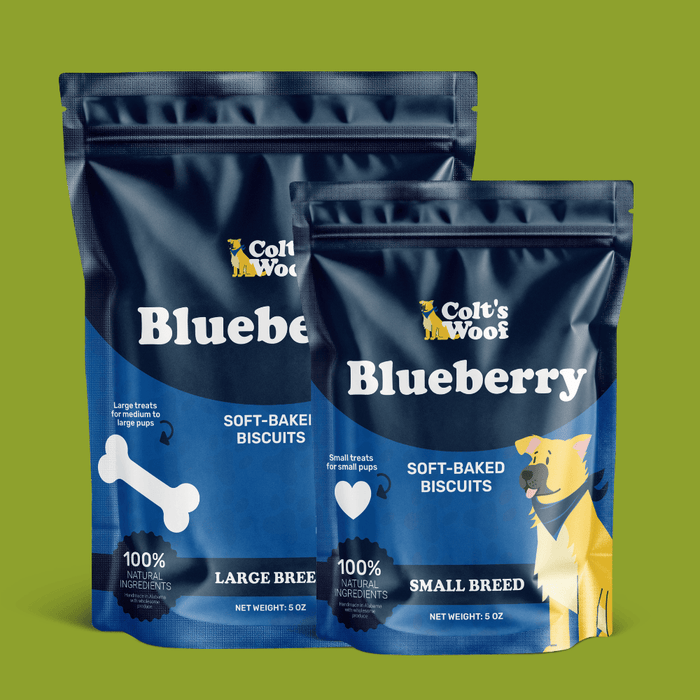
One of four soft-baked flavours, soft enough for older teeth, small enough to count.
$9.00
Making Dinner Smell Like Dinner Again
Appetite in an older dog often has more to do with how strongly the bowl smells than how it tastes. A pump of salmon oil lifts the smell and adds the omega-3s at the same time: EPA and DHA, the fats that help support a normal, balanced inflammatory response, which is why they show up in so much joint and skin support. Warm water over dry food does the smell part for nothing.
A real change in appetite or weight is a vet visit first. Supplements are food, not medicine, and they will not tell you why a dog stopped eating.
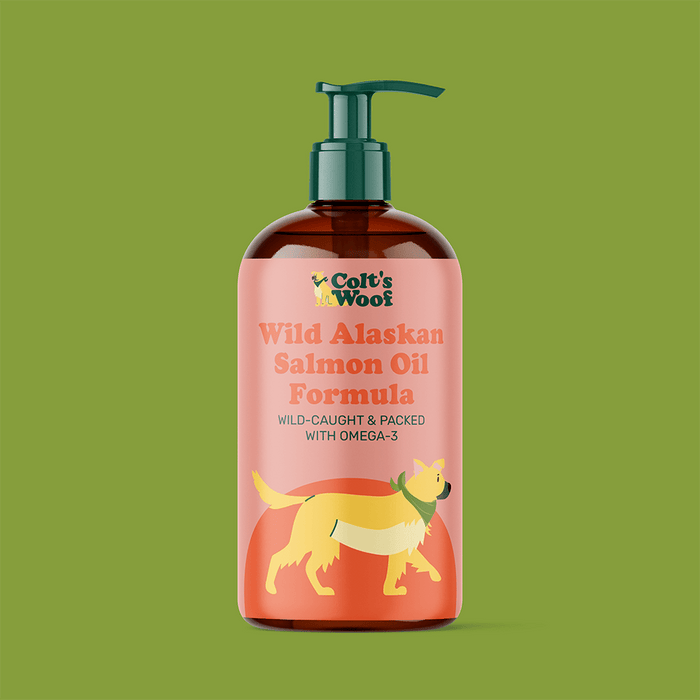
One pump onto food. EPA and DHA, and a bowl worth crossing the room for.
$12.00
Something to Do, Sitting Down
Old dogs sleep more and get bored quietly. Fifteen minutes of scent work or a soft toy to carry around does more for them than another lap of the block, and none of it asks anything of the joints.
- Scatter a handful of dinner in the grass instead of the bowl
- A frozen lick mat for the hour when everyone else settles
- Keep the last toilet break late, and the route the same every night
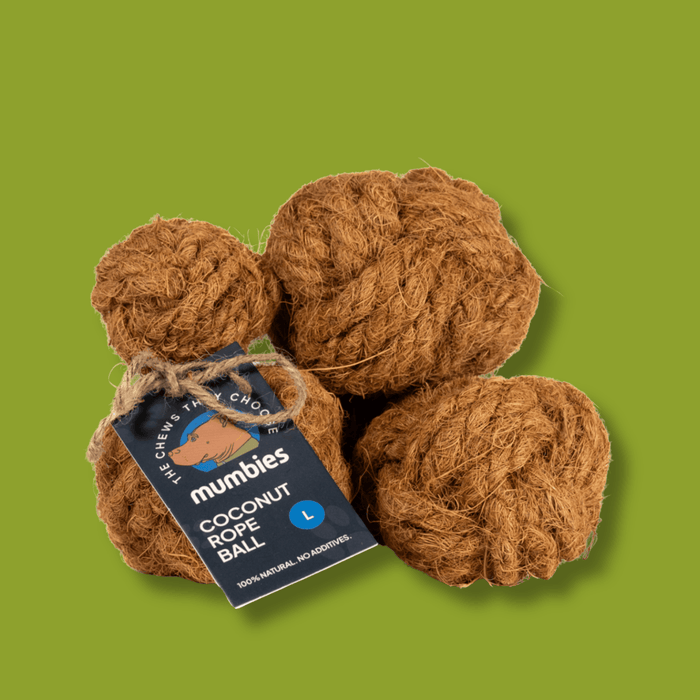
Light and soft in the mouth, a toy an older dog will still bother to pick up.
$11.00–$13.00
When the House Settles and They Don't
Nights are usually where the first changes show. A dog who used to sleep through gets up, stands in a doorway a while, and settles somewhere new, or wants company, and a light left on. Sleeping more by day and less by night is one of the changes owners notice earliest in an older dog, and most of what helps is small and free: the same last hour, in the same order, every night.
- Keep the last hour identical: same walk, same lights, same bed, same order
- Leave a low light on in the hallway, and their route to the door clear
- A late toilet break, and a way outside that does not need stairs
- Something to lick or chew while everyone else settles: a job makes settling easier
Restless nights have plenty of causes that have nothing to do with getting old: sore joints, a bladder that will not wait, sight or hearing that has faded. It is worth asking your vet to look before putting it down to age, because several of those are very fixable.
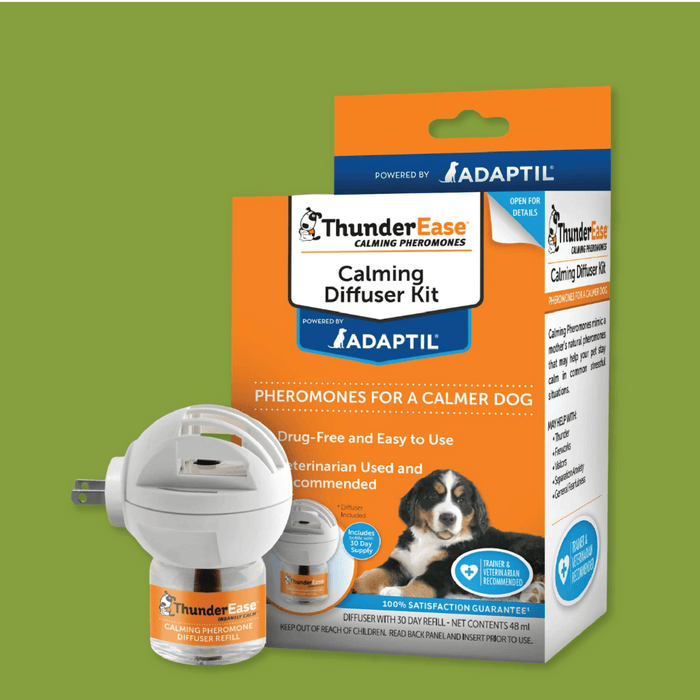
ThunderEase Calming Diffuser Kit
Plugs in near where they sleep. Drug-free and not a sedative. It copies the pheromone a mother dog gives her puppies.
$32.00
Six Changes Worth Mentioning to Your Vet
Vets group age-related changes in behaviour under six headings. Any one of them on its own often means very little. Two or three together are worth a conversation, and worth having early, while there is most to be gained from it.
Lost in familiar places
Standing in corners, waiting at the hinge side of a door, or looking unsure in a room they have known for years.
Less interested in company
Not coming to say hello, or drifting away from the family in the evening, and sometimes the reverse, following you room to room and never quite settling.
Days and nights swapped
Deep sleep through the afternoon, then pacing, panting or asking to go out in the small hours.
House training slipping
Accidents indoors from a dog who has been clean for years, or going to the door and then forgetting what they came for.
Doing less, or doing it aimlessly
Less play and less curiosity than last year, or wandering and circling that does not seem to be going anywhere.
More anxious than they were
New worry about being alone, about noise, or about the dark, in a dog who used to take all three in their stride.
Between 14% and 22.5% of dogs over eight show some age-related change in thinking and behaviour, and it is easier to help early than late, both from the 2023 AAHA Senior Care Guidelines. It is also diagnosed by exclusion, so your vet will want to rule out pain, sight and hearing loss and other health problems first. Colt's Woof products are food, supplements and everyday comfort. They are not medicines, and nothing here diagnoses or treats a condition.
The Senior Daily Dish
Greenshell™ Mussel Powder with breakfast, salmon oil at dinner, and a treat of your choosing for the walk in between. The whole day, in one box.
- Greenshell™ Mussel Powder, 2 oz: everyday joint comfort and mobility support, stirred into breakfast
- 100% Wild Alaskan Salmon Oil: one pump at dinner, for coat condition and a bowl that smells of something
- Your choice of treat: two coconut bones, pork and pineapple sticks, or chicken or fish coconut twists
Saves $5–$7 against buying the three separately.
Pick One Step Softer Than You Used To
Soft: start here
Soft-baked biscuits, codfish skin rolls, fish and coconut twist sticks. Easy on worn or missing teeth.
Medium: if they are still keen
Chicken feet, duck feet. Supervised, always, and taken away once they get small.
Hard: think twice
Yak cheese, antlers and coffee wood ask for strong, intact teeth. If you are unsure, go a step softer.
If a chew that used to disappear in ten minutes now gets abandoned half-done, drop a step softer. Bad breath, dropping food or chewing on one side is worth showing your vet. To soften a hard chew, soak it in warm water. Never microwave it.
Everything in Senior Support
Daily supplements
Soft and medium treats
Toys and enrichment
Calm and comfort
Colt's Woof products are food, supplements and grooming products. They are not medicines and are not intended to diagnose or address any medical condition. Talk to your vet before adding a supplement, particularly if your dog is already on medication.


Senior Dog FAQ
When should I switch to senior treats?
Go by the dog rather than the birthday. When a chew that used to disappear in ten minutes gets abandoned half-done, or they start chewing on one side, move a step softer.
Is Greenshell™ Mussel Powder worth it for an old dog?
It is the supplement we would start with for everyday joint comfort and mobility support, alongside salmon oil. Both go straight onto food, both are daily, and both are food supplements rather than medicines. Talk to your vet before adding one if your dog is on medication.
My senior has gone off their food. What can I do?
A pump of salmon oil, or warm water over dry food, brings the smell up, which is often what is missing. But a real change in appetite is a vet visit first. Check that before you start adjusting meals.
How often should an older dog see the vet?
More often than once a year is the usual advice once a dog is in the senior range. Things move faster at this age and small changes are easier to act on early. Your vet will tell you what interval suits your dog.
My old dog is restless at night. Is that dementia?
It might be, and it might just as easily be a sore hip or a bladder that will not wait until morning. Night restlessness with daytime sleeping is one of the most common age-related changes, but it is diagnosed by ruling other things out, so it is a vet conversation first. Either way, a fixed evening routine, a light left on and a late toilet break are worth doing tonight.
Do calming pheromone products really work?
The honest answer is that the research is mixed. Dog-appeasing pheromone has the strongest support for storm and firework nerves, and thinner evidence for everyday anxiety. It is drug-free and does not sedate, so it is an easy thing to try alongside a steady routine, but we would not want you to expect it to do the work on its own, or to use it in place of something your vet has suggested.