
The Scratching Starts Somewhere
Paws, ears, belly, or all over: where your dog itches tells you a lot about what to change first. Tell us where, and we will show you the routine and the products made for it.
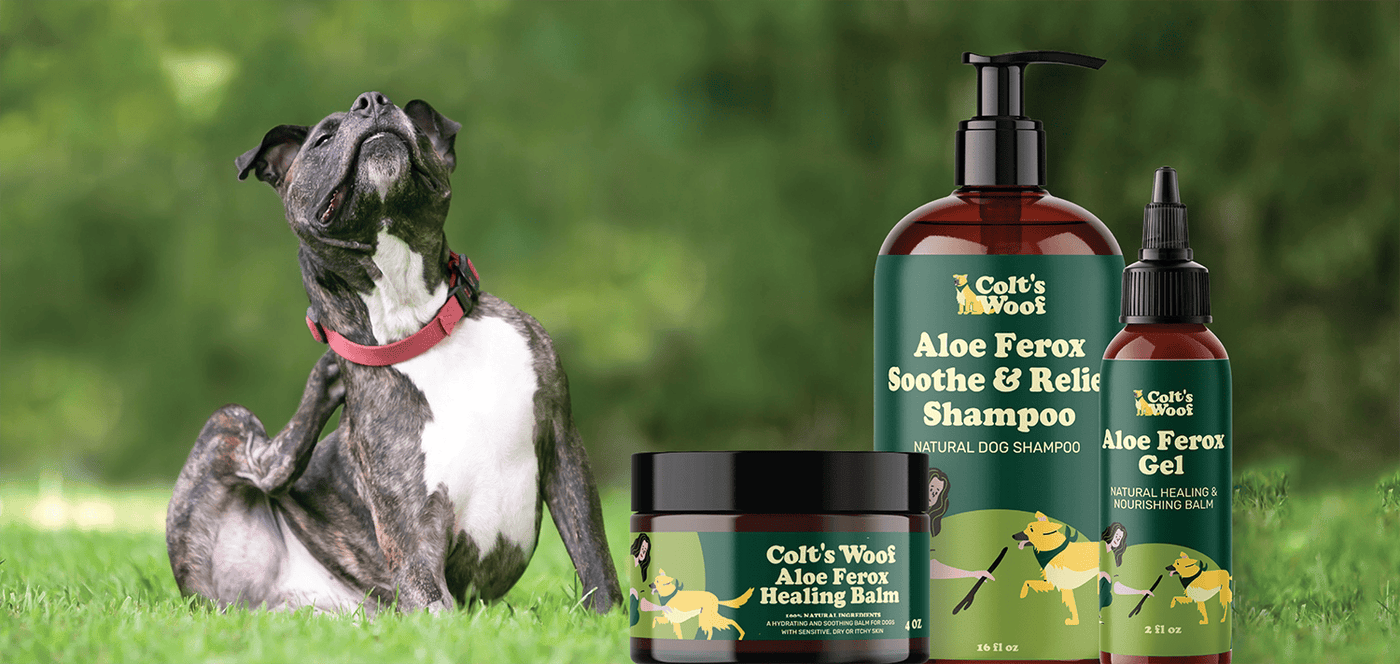
Where Is Your Dog Itchy?
Pick the spot they go back to most. This is a starting point for a routine, not a diagnosis.
Paws and between the toes
Licking and chewing at the feet, often worst after walks and in the evening. Fur between the toes may stain rust-brown from saliva. This is the classic seasonal pattern: pollen and grass are what the paws are touching.
- Mist paws after every walk through pollen season
- Soak paws once or twice a week and dry thoroughly between each toe
- Dust Yeast Defense Powder between the toes once dry
- Consider adding salmon oil daily and give it three to four weeks
If the skin between the toes is red, swollen, smelly or broken, book a vet visit. That needs diagnosing, not soothing.
Ears and head shaking
Scratching at one ear, tilting or shaking the head, or a musty smell when you lift the flap. Drop-eared dogs cover the canal completely, so warmth and moisture sit there after every wet walk or bath.
- Lift and look inside both ears weekly: redness, smell, dark wax
- Dry the ears properly after baths, swims and wet walks
- Dust Yeast Defense Powder on the ear flaps, never inside the canal
- Note which ear and how often, so your vet has a pattern to work with
Repeated head shaking, a strong smell, discharge or a red canal is a vet visit, not a home routine. Never put anything into an ear canal unless your vet has told you to.
Belly, groin and armpits
Pink or blotchy skin on the thin-furred underside, sometimes with a yeasty smell. Low-slung and short-coated dogs collect whatever the grass is carrying, and the armpits and groin stay warm and damp.
- Mist the belly after walks, not just the paws
- Dry the groin and armpits properly, those go last and get missed
- Dust Yeast Defense Powder into the folds once dry
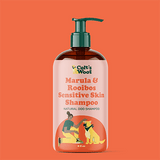
- Wash with a gentle shampoo rather than stretching baths out
Spreading redness, spots, scabs, or a smell that comes back within days needs a vet.
One spot they keep going back to
An elbow, a hock, the base of the tail: a single area licked or nibbled until the fur thins. Often it starts with something small and continues out of habit once the skin is irritated.
- Look closely in good light before you put anything on it
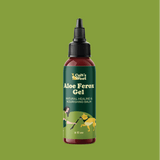
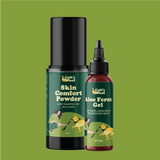
- Apply Aloe Ferox Healing Gel and give it 10 minutes to absorb
- Distract them while it does: a lick mat, chew or cone buys you the time
- If nothing changes in two weeks, stop guessing and book the vet
Broken, bleeding, weeping or bald skin needs a vet, and so does a spot that keeps coming back to the same place.
All over, and it comes with the season
Scratching everywhere, arriving in spring or late summer and easing off in winter. Flaking, a dull coat, and a dog who cannot settle in the evening.
- Mist coat and paws after every walk while the pollen is up
- Add Itchy Paw Soak to a warm bath during the worst stretches
- Consider salmon oil daily; skin condition builds over weeks
- Keep a two-week note of when it is worst before you see the vet
Rule out fleas first, it is the cheapest thing on this list to check. Year-round, whole-body itching should be looked at by your vet.
Four Reasons Dogs Itch
Seasonal and environmental
Pollen, grass, dust. Comes and goes with the calendar, worst after walks, and paws usually get it first.
Damp skin and yeast
Folds, armpits, groin and between the toes stay warm and wet. A musty smell is the usual tell.
A dry coat barrier
Harsh shampoo, hard water and winter heating strip the coat. Flaking and dull fur travel together.
Food and parasites
Both need your vet, not a shampoo. Rule out fleas first, it is the cheapest thing on this list to check.
Colt's Woof products are grooming products, food and supplements. They are not medicines and are not intended to diagnose or address any medical condition. Persistent itching, broken skin, hair loss or a strong smell is a vet visit.
Mist Off What They Walked Through
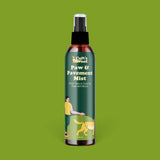
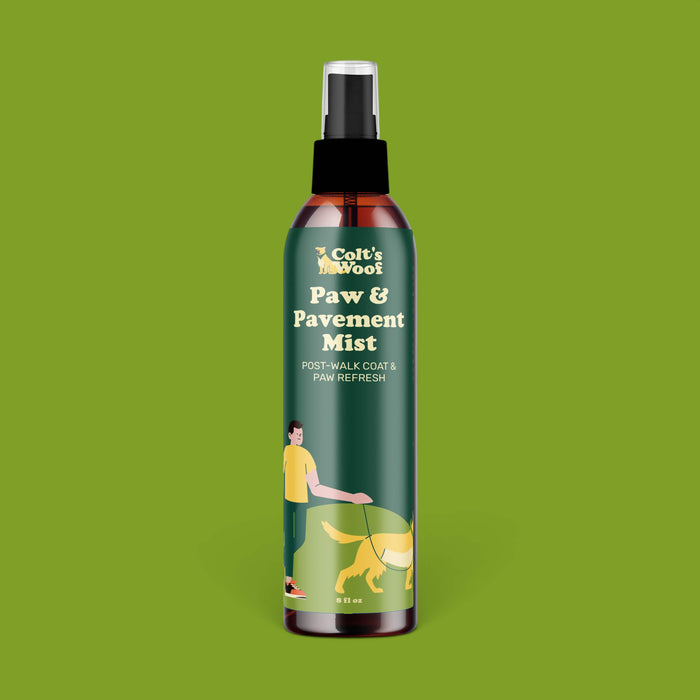
Paws are the first place seasonal itch shows up, because paws are what is touching the grass. Whatever is on them gets carried indoors and then licked. A light mist after every walk lifts it away before it reaches the couch.
- Mist lightly over the coat, tummy, legs and paws: dampen, don't soak
- Wipe down with a cloth, or let it air-dry
- No rinsing needed
Soak the Paws
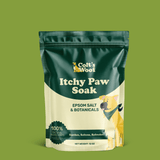
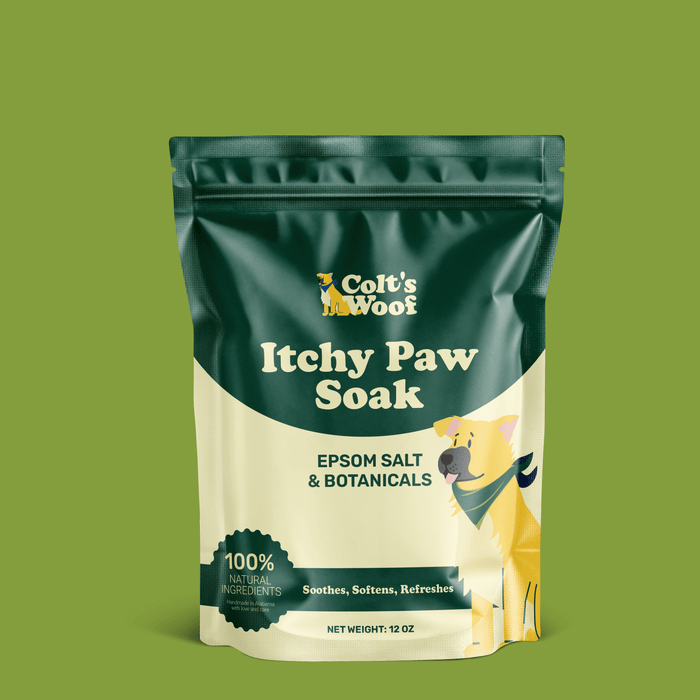
A warm botanical soak for tired, rough, irritated paws and the delicate skin between the toes. When the whole dog is itchy, add it to a full bath instead.
- Fill a shallow basin with warm water and add the soak
- Let your pup stand for 5-10 minutes
- Pat dry, especially between the toes
Dry Every Damp Fold
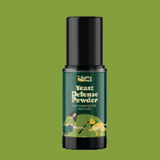
Warm and damp is the environment yeast likes, and dogs have more warm damp places than owners think: between the toes, in the armpits, the groin, under the tail, and on a drop ear. A musty smell is usually the first thing you notice.
- Dust a light layer between the toes, on the ear flaps and in skin folds
- Massage gently into the coat, no rinsing required
- A strong smell, redness inside the ear, or head shaking is a vet visit
Heal the Spot They Will Not Leave Alone
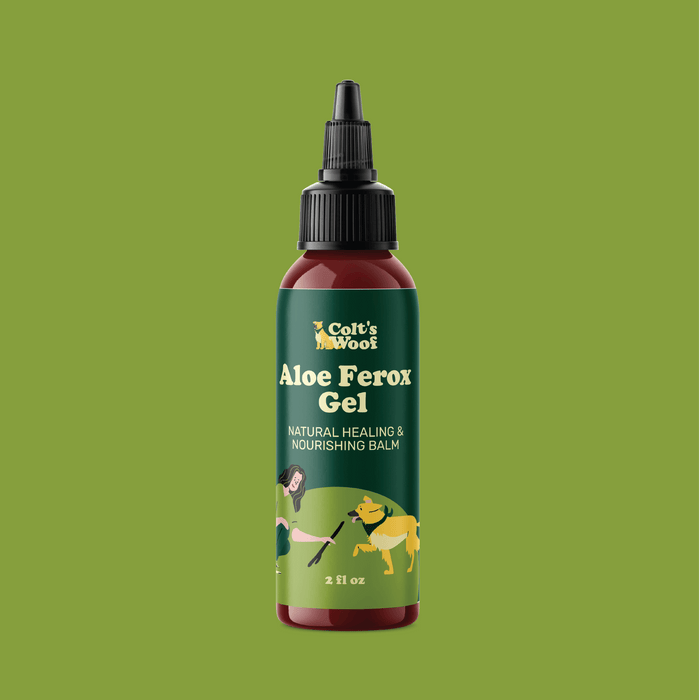
Every itchy dog has one place they keep coming back to: an elbow, a hock, the base of the tail. Aloe Ferox gel is cool going on, which is usually enough to interrupt the licking long enough for you to get a look at the skin.
- Smooth a thin layer onto dry, rough or irritated-looking spots
- Give it 10 minutes to absorb: keep treats or a cone handy
- Never on broken or bleeding skin. That is a vet call, same day
Feed the Coat From Inside
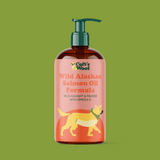
Great skin care starts from the inside out. Fish is one of the least allergenic proteins: in one review of 297 dogs with confirmed food allergies, fish accounted for about 2% of cases, while beef, dairy and chicken were the top triggers.
- Look for a single fish protein, such as salmon, whitefish or pollock, as the first ingredient
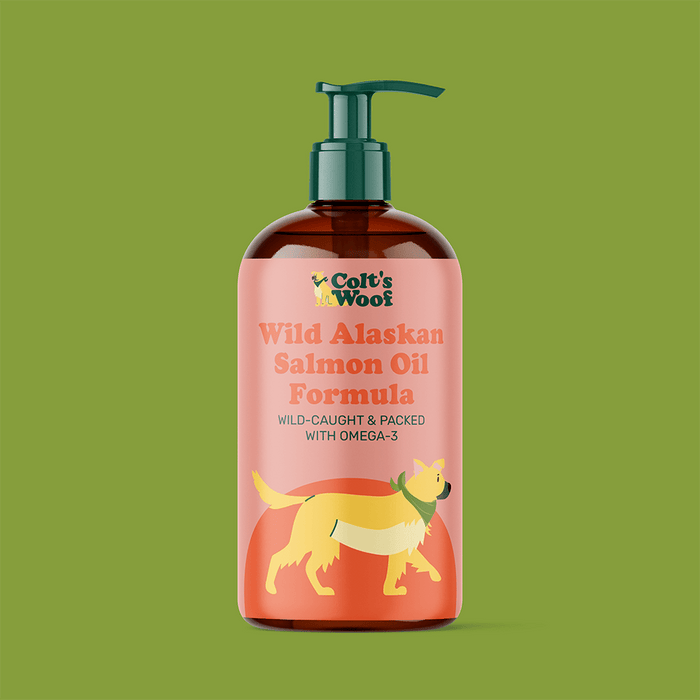
- Add salmon oil to your dog's bowl daily
- Give it three to four weeks, skin condition changes slowly
Source: Mueller, Olivry and Prélaud, BMC Veterinary Research, 2016. Supplements support general condition; they are not medicines. Talk to your vet before adding one if your dog is on medication.
The Itch Relief Protocol
All four steps in one box, so you are not piecing the routine together yourself.
- Paw & Pavement Mist: Step 1, Clear
- Itchy Paw Soak: Step 2, Soak
- Yeast Defense Powder: Step 3, Refresh
- Aloe Ferox Healing Gel: Step 4, Heal
Salmon oil sold separately. Or build your own from the full collection below.
Shop All for Itchy Dogs
Clear, wash and soak
Powders, gels and balms
Daily and bundles
Colt's Woof products are grooming products, food and supplements. They are not medicines and are not intended to diagnose or address any medical condition. Aloe products are for external use. Give them time to absorb before your dog can lick them, and never apply to broken or bleeding skin.


Itchy Dog FAQ
How long before I know if a routine is working?
Give any change two weeks, and only change one thing at a time. Keep a note of how often you catch them scratching. Owners are far better at spotting a trend than a single day.
Can I bathe an itchy dog more often?
With a gentle shampoo, yes. Our Marula & Rooibos Sensitive Skin Shampoo is built for frequent washing. Rinse thoroughly and dry properly, especially ears and folds.
What is Yeast Defense Powder?
A multi-purpose dry shampoo powder. It goes on dry, into the places that stay damp: between the toes, in the folds, on the ear flaps.
When should I stop trying things at home?
Broken or bleeding skin, hair loss, a strong smell, swelling, or a dog who cannot settle at night. All of those need a vet, and the sooner the better.
Two Weeks of Notes Beat Two Minutes of Guessing
Leave your email and we will send you the itchy-dog basics, including a simple way to track where, when and how often, so you walk into the vet with something better than he has been scratching a lot.