On this page
- Ascophyllum nodosum works systemically (through saliva, not scrubbing) so it reaches the gaps a brush misses.
- A 90-day double-blind trial reported 40% less plaque and 20% less calculus.
- It also makes existing tartar more porous, which helps brushing and professional cleanings.
- Small breeds benefit most: 42 teeth in a small jaw, shallower roots, thinner enamel.
- Kelp is rich in iodine. Check with your vet first if your dog has a thyroid condition or takes thyroid medication.

Do you ever find yourself battling the dreaded "doggy breath" or peeking at your pup's pearly whites, only to spot some unwelcome yellow or brown invaders? Dental health matters well beyond fresh kisses. Just like us, dogs can suffer from painful gum disease, tooth decay and even wider health problems if their oral hygiene goes unchecked.
There are several good ways to keep those canine chompers in tip-top shape. While brushing and dental chews are excellent tools, today we're diving into a natural secret weapon that's been gaining a lot of buzz in the veterinary world: kelp powder.
The small breed struggle: why size matters
While all dogs need dental care, our smaller companions (like Yorkies, Chihuahuas, and Poodles) are often at a much higher risk for oral health issues. If you have a small breed, you've likely noticed they struggle with tartar much faster than the big guys. There are a few reasons for this "small dog disadvantage":
- Crowded mouths. Small dogs have the same number of teeth as large dogs (42), but they are packed into a much smaller jaw. That crowding creates tiny nooks where food and bacteria hide, making plaque buildup almost inevitable.
- Shallower roots. Smaller teeth have shorter roots, so even a little bone loss from gum disease can loosen a tooth much faster than it would in a Golden Retriever.
- Genetics and longevity. Many small breeds are genetically predisposed to thinner enamel. And because small dogs tend to live longer, their teeth have more miles on them.
For these pint-sized pups, a systemic approach like kelp can help where a toothbrush struggles to reach: the tight spaces between crowded teeth.
What's the big deal about kelp?
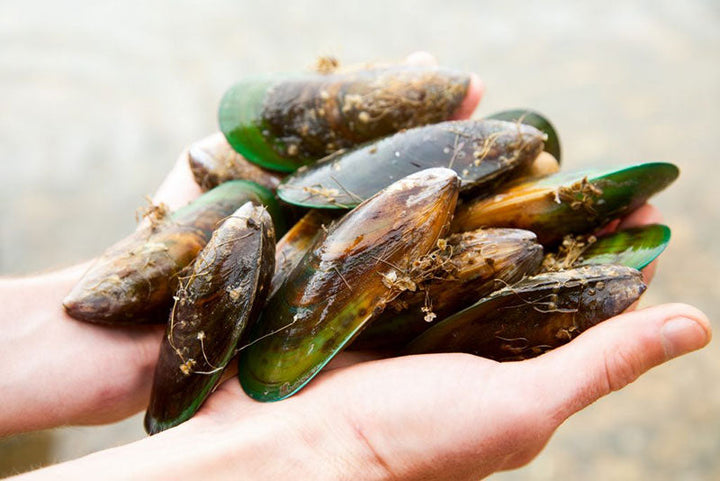
When we talk about kelp for dental health, we're usually referring to a specific brown algae called Ascophyllum nodosum. It is harvested for what it carries, not gathered off a beach, and it is dense in useful compounds.
Unlike a toothbrush, which mechanically scrapes plaque away, Ascophyllum nodosum works systemically. After your dog eats it, the active compounds are absorbed into the bloodstream and released back into the mouth through saliva. Once there, they change the chemical environment of the mouth, helping to inhibit the bacteria that form plaque and to soften existing tartar.
The science behind the smile: what the studies say
We love a good dose of evidence. When it comes to Ascophyllum nodosum, the research is genuinely interesting:
- Less plaque and tartar. A 90-day double-blind trial found that dogs receiving Ascophyllum nodosum showed a 40% reduction in plaque and a 20% reduction in calculus compared with a control group (Gawor et al., 2018).
- Softer deposits. Research indicates that regular intake makes existing calculus more porous and less solid (van Dijken et al., 2014), which makes it easier to brush away or for your vet to remove during a professional cleaning.
- Fresher breath. Studies have shown improvement in the Oral Health Index by reducing volatile sulfur compounds, the main culprits behind halitosis (Gawor et al., 2018).
Dosage guidelines: getting it right
The dose depends on your dog's body weight. Clinical studies (Gawor et al., 2021) suggest the following daily amounts for standardized Ascophyllum nodosum powder:
| Dog weight | Daily recommended dose |
|---|---|
| Small (2.0–4.9 kg) | ~165 mg (0.5 scoop) |
| Medium (5.0–9.9 kg) | ~330 mg (1.0 scoop) |
| Large (10.0–14.9 kg) | ~495 mg (1.5 scoops) |
| Extra large (>25 kg) | ~660 mg (2.0 scoops) |
For the best results, mix the powder directly into your dog's daily meal.
Important considerations: safety first
Kelp is a natural marvel, but keep two things in mind:
- Thyroid health. Kelp is naturally rich in iodine. For most healthy dogs this is fine, but if your dog has a thyroid disorder or is on thyroid medication, talk to your veterinarian before starting kelp (Gawor & Jank, 2023).
- The clean-slate rule. Kelp is a champion at prevention. Many vets recommend starting supplementation right after a professional dental cleaning, to stop new plaque from ever hardening.
A bright future for your dog's smile
Adding Ascophyllum nodosum kelp powder to your dog's daily routine is a research-backed way to fight plaque and keep those puppy kisses smelling sweet. For small breed owners, it's an essential extra layer of defense for those crowded chompers.
Sources
4 references- Gawor, J., et al. (2018). "Effects of Edible Treats Containing Ascophyllum nodosum on the Oral Health of Dogs: A Double-Blind, Randomized, Placebo-Controlled Single-Center Study." Frontiers in Veterinary Science.
- Gawor, J. & Jank, M. (2023). "Ascophyllum nodosum as a nutrient supporting oral health in dogs and cats: a review." Polish Journal of Veterinary Sciences.
- Gawor, J.P., et al. (2021). "Influence of Dietary Supplementation With a Powder Containing A.N. ProDen™ (Ascophyllum nodosum) Algae on Dog Saliva Metabolome." Frontiers in Veterinary Science.
- van Dijken, J.W.V., et al. (2014). "A randomized controlled clinical study of the effect of daily intake of Ascophyllum nodosum alga on calculus, plaque, and gingivitis." Clinical Oral Investigations.
This article is for educational purposes and is not a substitute for individualized veterinary guidance. Talk to your vet about the right product and dosage for your dog.